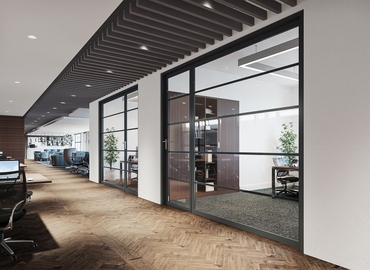


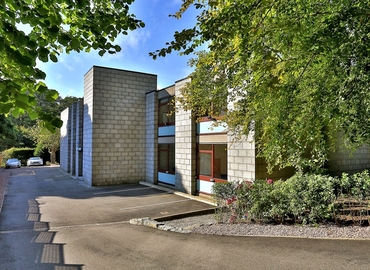


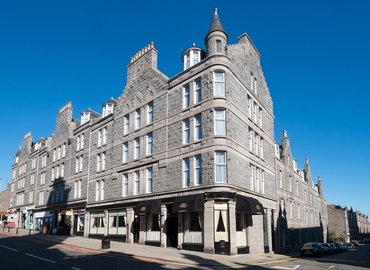


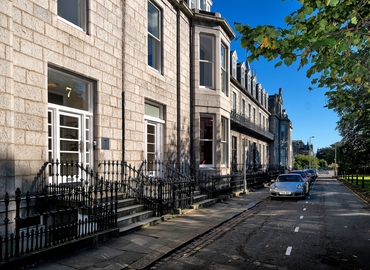




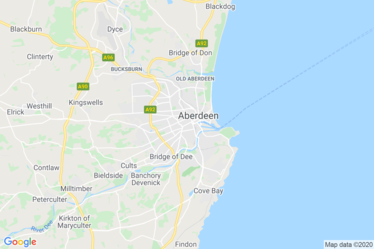
Aberdeen has spent a century as Europe's oil and gas capital. That's changing. Around 232,000 people live here, and the city's granite-grey buildings, the ones that earned it the nickname "the Silver City" for how they catch the light, now sit next to a business base pivoting hard towards offshore wind, hydrogen and carbon capture. Whoever's looking for office space in Aberdeen today is just as likely to be a scrappy energy-transition start-up as a decades-old engineering firm. Both draw on the same thing: graduates from the University of Aberdeen and Robert Gordon University, which between them keep producing technical talent that's genuinely hard to find anywhere else in the UK. South Harbour is where you can see it happening. The Energy Transition Zone there has government money behind it, and it's meant to house an Innovation Campus plus an Energy Transition Skills Hub. Even Great British Energy, the country's new state-owned energy company, is setting up shop in the city, a fairly clear signal that Westminster sees Aberdeen as central to whatever comes after oil and gas. Away from the harbour, the usual names still dominate: Prime Four, Aberdeen Business Park, the commercial stretches around Altens and Dyce near the airport, and the older city-centre offices around Union Street. None of it is cheap by Aberdeen's own standards, but it's still a bargain next to Edinburgh or Glasgow — and against the wider office space to rent in the UK market too. Figure on somewhere between £12 and £20 per sq ft, depending on the building. Connectivity might be Aberdeen's most underrated asset. The airport at Dyce is a short hop from most business parks, the railway station runs straight through to London, and the A90 and A96 tie the city into the rest of Scotland by road. Then there's the harbour, reputedly the oldest business in the UK, which has just added new deepwater berths for the offshore energy trade. Logistics hub, corporate address, energy base: Aberdeen is quietly doing all three at once.