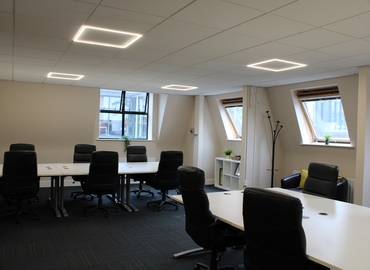
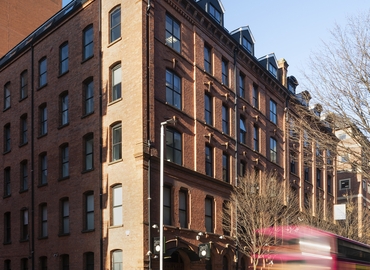
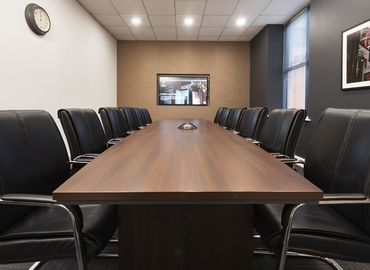
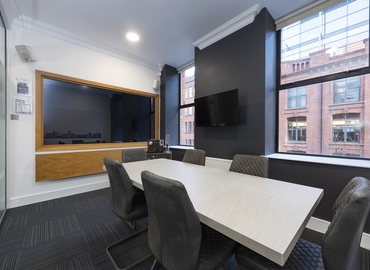


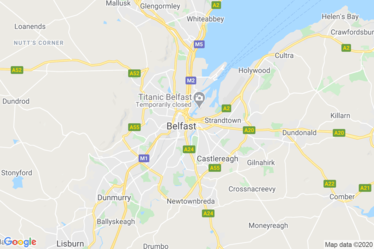
Belfast is Northern Ireland's largest city. Around 350,500 people live here, and over the last decade the economy has spread itself across five priority sectors: fintech and financial services, advanced manufacturing and aerospace engineering, digital and creative industries, life and health sciences, tourism. Look at the skyline and you'll see it. Docks where the Titanic was built, now studios churning out international film and TV. International investors have noticed. Several overseas fintech and financial-services firms have opened or expanded their Belfast operations in recent years. The best-known addresses tell their own story. Belfast Innovation District in the city centre, anchored by Ulster University's new campus. Titanic Quarter, home to both creative-industry tenants and Titanic Studios. The Cathedral Quarter for digital and creative businesses. The Linen Quarter and Gasworks business park, solidly professional-services territory. Demand keeps tilting toward modern, high-ESG buildings, and prime Grade A space now runs around £20 to £25.50 per sq ft, well below what similar buildings cost in London or Manchester . Getting in and out is easy. Belfast International and George Best Belfast City airports both run frequent flights to Great Britain and beyond. The Port of Belfast handles freight and ferry traffic. And the new Belfast Grand Central Station, the largest integrated transport hub on the island of Ireland, has made rail and bus connections noticeably better since it opened. The M1 and M2 tie the city into the rest of Northern Ireland.